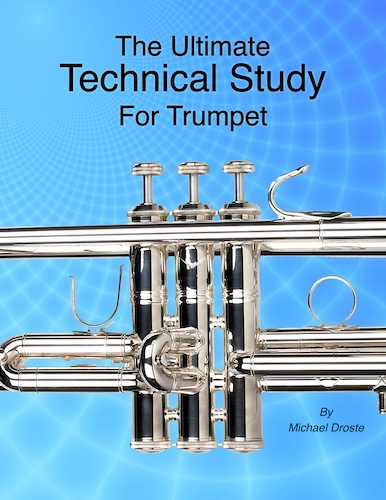

Based on the article by Michael Droste at TrumpetStudio.com. A trumpet stand sounds too simple to spend an episode on — but it's one of the few accessories Michael Droste actually endorses, and the reasons players give for skipping it are mostly myths. Adam and Bella break down why. The reframe that drives the whole episode: the most dangerous place your trumpet can be is exactly where most players put it. A folding chair. The lip of an open case. The floor by your feet. A trumpet is round — built to roll — so one bump, one draft, one squeeze past in a tight pit, and it's on the ground. A stand doesn't add a thing to knock over. It replaces a high-risk resting spot with a low-risk one. That's the whole argument. Adam and Bella also put the finish-damage myth to rest. Yes, bare metal on bare lacquer with trapped grit can wear a spot over years. But every decent stand wraps its contact points in velvet, neoprene, or felt, and the peg is sheathed so it never touches raw brass. The players who actually mar their finish are the ones without a stand — grinding the horn against a rough case or a chair seat. A good stand is gentler than the alternative, not harsher. The most useful idea in the article: stop arguing about which stand is "best," because there are two completely different jobs a stand can do. Camp one is the low, locked-down, in-bell stand — a peg that seats in the bell with legs fanning out wide and low. This is for the seated player who sets the horn down and leaves it: orchestra, church, big band. It's the style Michael uses himself — a König & Meyer five-leg — and his description says it all: it's almost impossible to tip over. You'd have to physically fall into it to put it on the ground. Shop for the design, not the brand: wide base, low weight, cushioned contact, peg-in-bell so the horn is captured. Camp two is the tall, grab-and-go stand for the standing player — the upright Hercules with a height-adjustment column and swivel legs. Set the peg at standing height and grab the horn on the downbeat with no bending. The triple holds two trumpets and a flugelhorn on one base, which is the doubler's dream in a pop, rock, funk, or R&B horn section. The trade-off is honest: a higher horn is more exposed, so mind where you plant it. Adam and Bella keep it real with the honest case against stands too. A stand is only as stable as the floor it's on — raked stages, wobbly risers, and cable tangles bring the tip-over risk right back. A stand guards against falling, not against getting knocked over, so in a jammed pit the case can be safer. And a stand is a between-tunes spot, never storage: playing means stand, done for the set means case. Where it lands: a stand is the exception that proves Michael's rule. Heavy caps, trim kits, and resonance weights promise to change your sound and don't — Herseth didn't build the Chicago sound from a gadget catalog, and Arnold Jacobs didn't teach song and wind by selling hardware. A stand makes one honest promise — I'll keep your horn off the floor — and keeps it. That's a tool, not a gimmick. One prevented drop pays for it several times over. If you need the latest practice material be sure to check out The Ultimate Warm Up Book for Trumpet and The Ultimate Technical Study for Trumpet. If you're getting ready for the gigging season don't forget your copy of The Ultimate Wedding Book for Trumpet. Enjoying the show? Please rate and review us on the App Store — it helps other players find us — and download the Trumpet Studio app for method books, fingering charts, and practice tools on your phone. Now go practice!!
The Ultimate Trumpet Podcast - Episode 23: Trumpet Stands — Are They Worth It, or Just Another Way to Drop Your Horn?
By Michael Droste — 9th July, 2026The Ultimate Trumpet Podcast - Episode 23: Trumpet Stands — Are They Worth It, or Just Another Way to Drop Your Horn?
Subscribe Now!
The Ultimate Trumpet Podcast is available to stream on your preferred podcast player.